Few modern composers have a sound as instantly recognizable — and as impossible to describe — as Jon Brion. His music is whimsical yet melancholic, meticulous yet spontaneous, cinematic yet intimate. Whether scoring the surreal heartbreak of Eternal Sunshine of the Spotless Mind or the bittersweet sprawl of Magnolia, Jon Brion brings a rare emotional precision to every project he touches.
This page is dedicated to exploring Jon Brion as a composer — the film scores, the creative process behind them, and the unmistakable atmosphere they bring to the screen.
Got recordings, sheet music, or memories of Jon’s film work? Share them with me at info [at] jonbrion [dot] net.
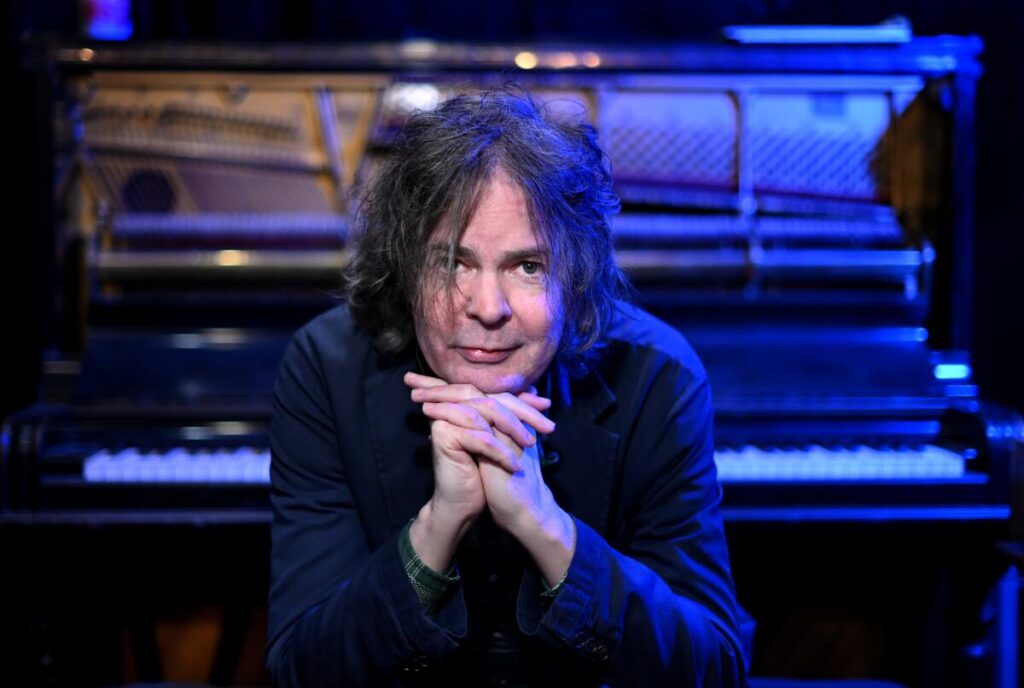
Major film scores by Jon Brion
The best way to understand Jon Brion’s genius is to experience the soundtracks themselves. Below you’ll find links to in-depth pages dedicated to Jon Brion’s most celebrated film scores, featuring studio recordings, live performances, sheet music, and the story behind the music — how the score was created and how it shaped the tone of the film.
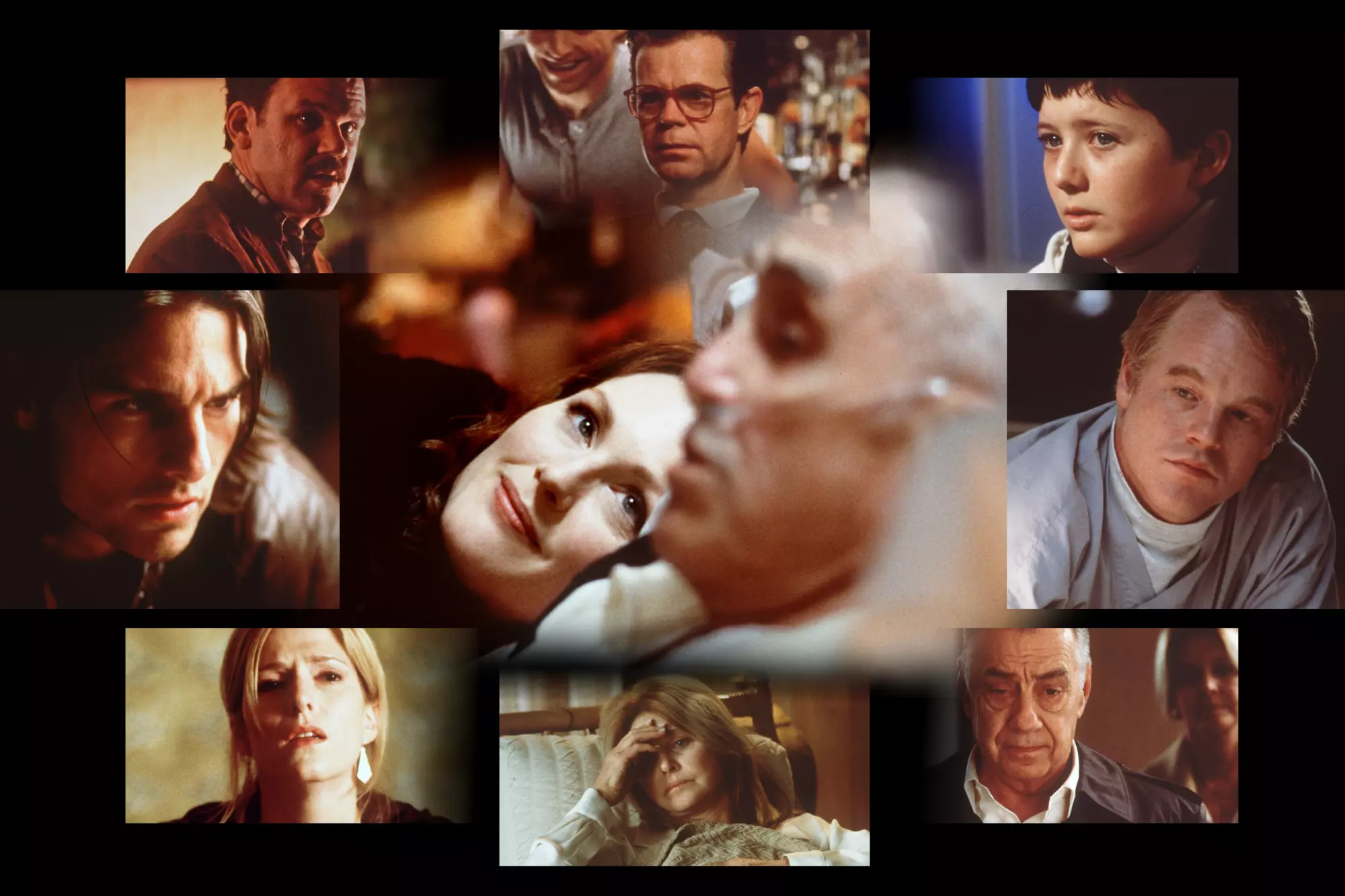
Magnolia (1999)
Jon’s first major score for Paul Thomas Anderson and his first Best Score Soundtrack Album Grammy nomination.
The score moves between delicate piano motifs and sweeping orchestral moments, mirroring the film’s web of interconnected lives.
What’s remarkable is how well Brion’s score integrates with Aimee Mann’s songs (which he produced).
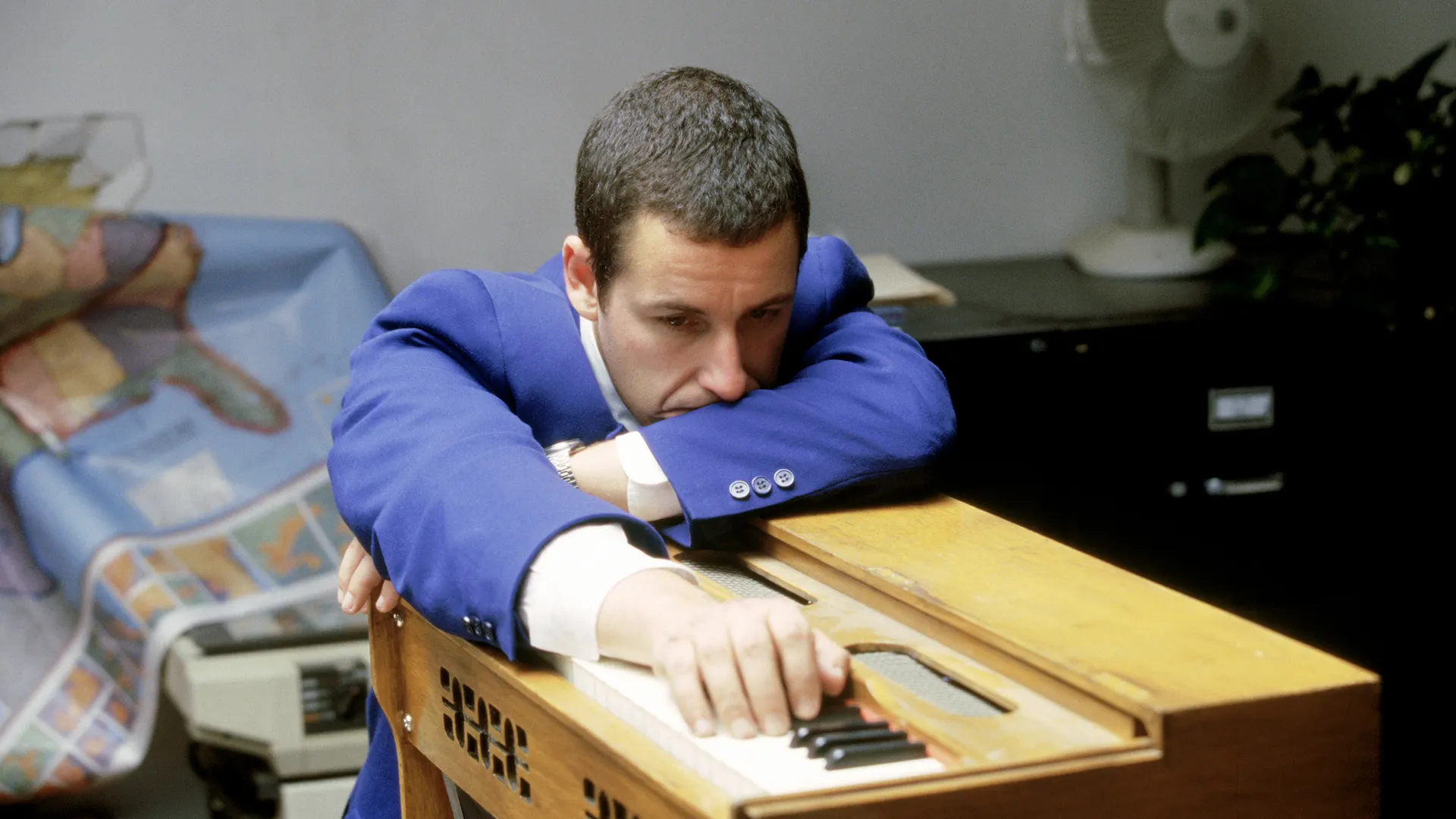
Punch-Drunk Love (2002)
The score where Jon Brion truly became Jon Brion, film composer. It’s audacious, weird, percussive, romantic, and completely unlike anything else.
Instead of a drumset or traditional percussion, Brion used prepared piano and real warehouse noise.
That’s the Jon Brion approach: if you need a sound, invent it.
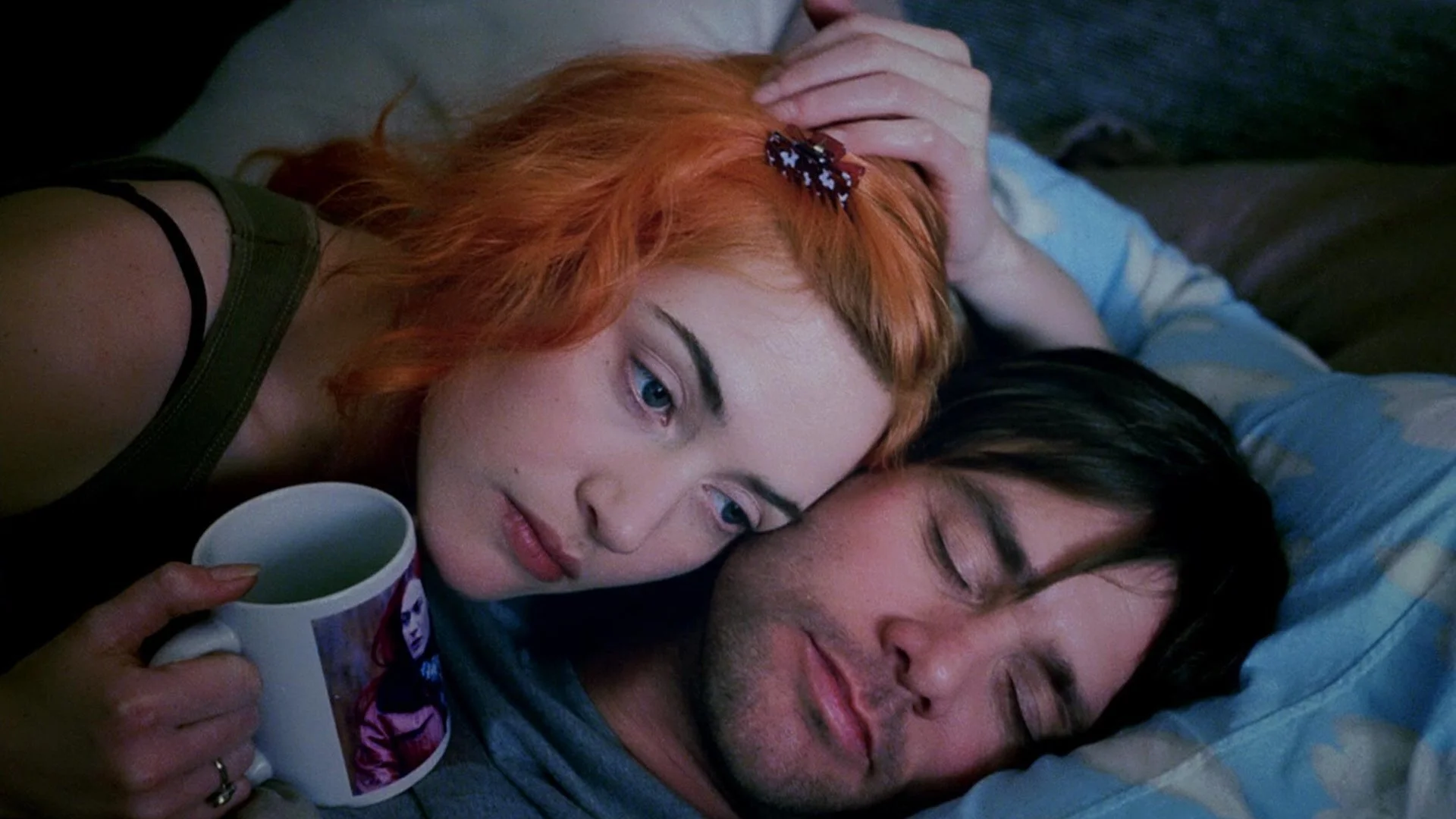
Eternal Sunshine of the Spotless Mind (2004)
The most beloved score among fans, and for good reason.
Jon Brion’s piano motifs drift through the film like lost thoughts or memory itself, with all its distortions and emotional weight.
For this work, Brion earned another Best Score Soundtrack Album Grammy nomination.
Explore the Eternal Sunshine of the Spotless Mind soundtrack →
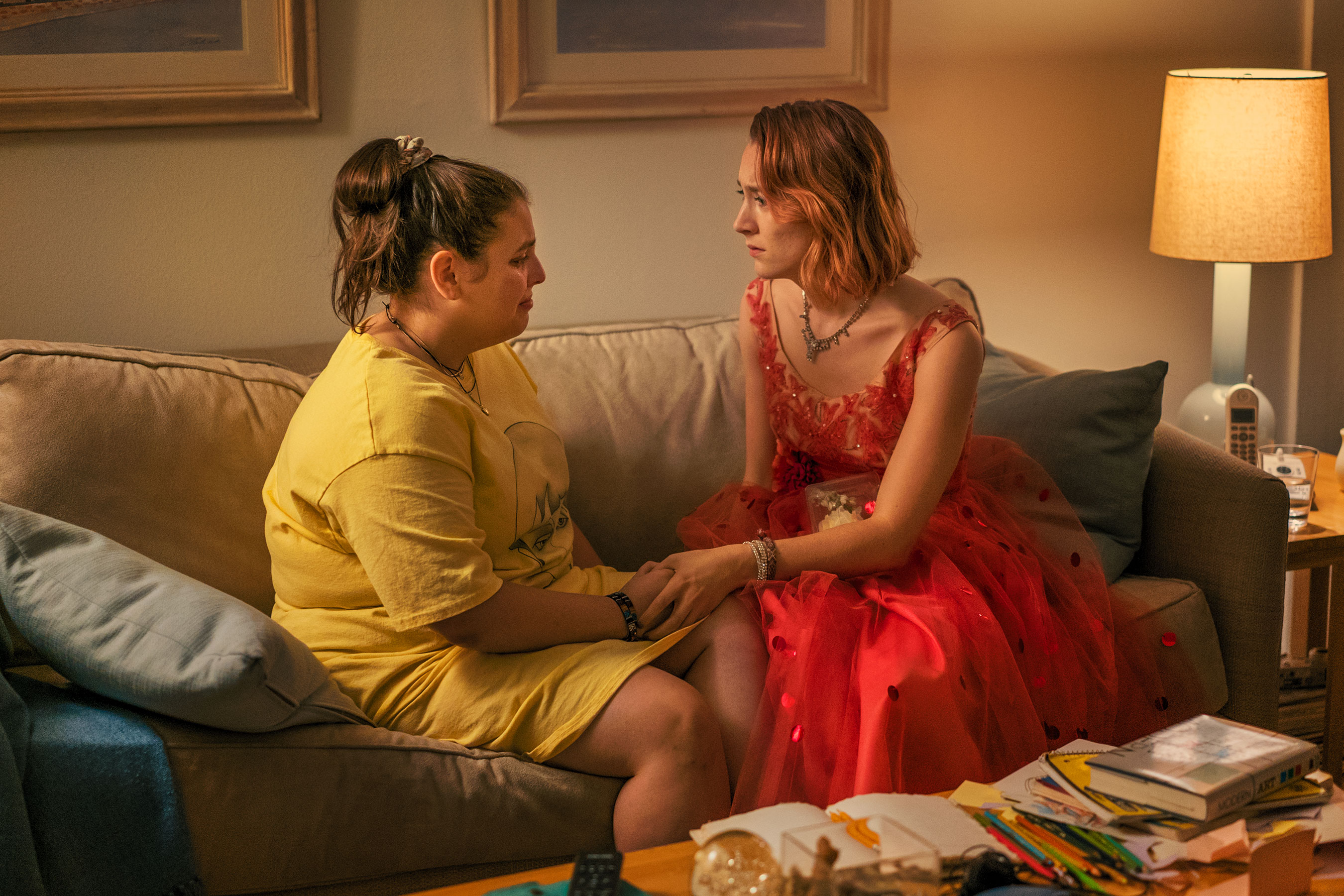
Lady Bird (2017)
After a long gap in film scoring, Brion provided the music for Greta Gerwig’s acclaimed directorial debut.
Growing up, awkwardness, and bittersweet nostalgia found their musical expression in the score that is gentle, wistful, and deeply compassionate.
It proved that even after years away from film work, Jon’s instincts were as sharp as ever.
More soundtracks and deep dives are currently in development! Check back soon for even more classic scores.
Jon Brion’s story: The accidental film composer
Jon didn’t set out to become a film composer in the traditional sense. He fell into it almost by accident — through friendship, collaboration, and a willingness to try something that most composers would consider impossible. And thank god he did, because the way he scores films is unlike anyone else working today.
Brion began his film career in collaboration with young Paul Thomas Anderson and singer-songwriter Michael Penn on the soundtracks to Hard Eight (1996) and Boogie Nights (1997). He wasn’t the official composer yet — just a friend helping out, contributing music here and there. Brion even had a cameo in Boogie Nights as a moustached guitar player.
But something clicked. Anderson saw in Brion what few others had recognized: the ability to hold contradictory emotions in the same piece of music. Joy and dread. Whimsy and heartbreak. The chaotic and the tender.
Jon Brion’s score music style
From the start, Jon Brion’s soundtracks defied Hollywood conventions. He doesn’t merely write “themes” — he builds worlds. Each score sounds like a lived-in space: sometimes a dream, sometimes a room full of ghosts, sometimes the inside of a fragile heart trying to stay whole.
Brion’s background as a multi-instrumentalist and producer shapes his approach to composition. He plays with texture and emotion rather than formula — layering piano, celesta, harmonium, guitar, and strange little percussive details that make his music feel handmade. His soundtracks often blur the line between song and score, between improvisation and structure, creating a sense of movement that feels alive and human.
“I’m this freak who has a career of doing things I like, that is neither underground or overground. I’m too polished for the underground and too completely cockamamie and harebrained for everyone else, and I delight in that.”
That quote says everything. Jon Brion exists in a space few artists can occupy — sophisticated enough for the arthouse, warm enough for the mainstream, weird enough to stay interesting forever.
That contradiction is what makes his film scores so powerful. Life isn’t one emotion. It’s everything at once. And Jon Brion knows how to score everything at once.
Jon Brion’s composing philosophy
“I go until it feels wrong, in every possible direction. And eventually you find out the truth… But you’re only going to find that if you’re willing to improvise and you’re willing to do things that are wrong.”
This quote perfectly captures Jon’s experimental, fearless approach to scoring.
His scores don’t just underscore — they propel, they dance, they become part of the language of the film itself.
One of my favorite Jon Brion quotes comes from his work on Punch-Drunk Love. Brion said to Anderson, “I think what you actually want is the thing to feel like a musical, but nobody ever breaks into song,” to which Anderson replied, “Exactly!”
Jon Brion’s working method
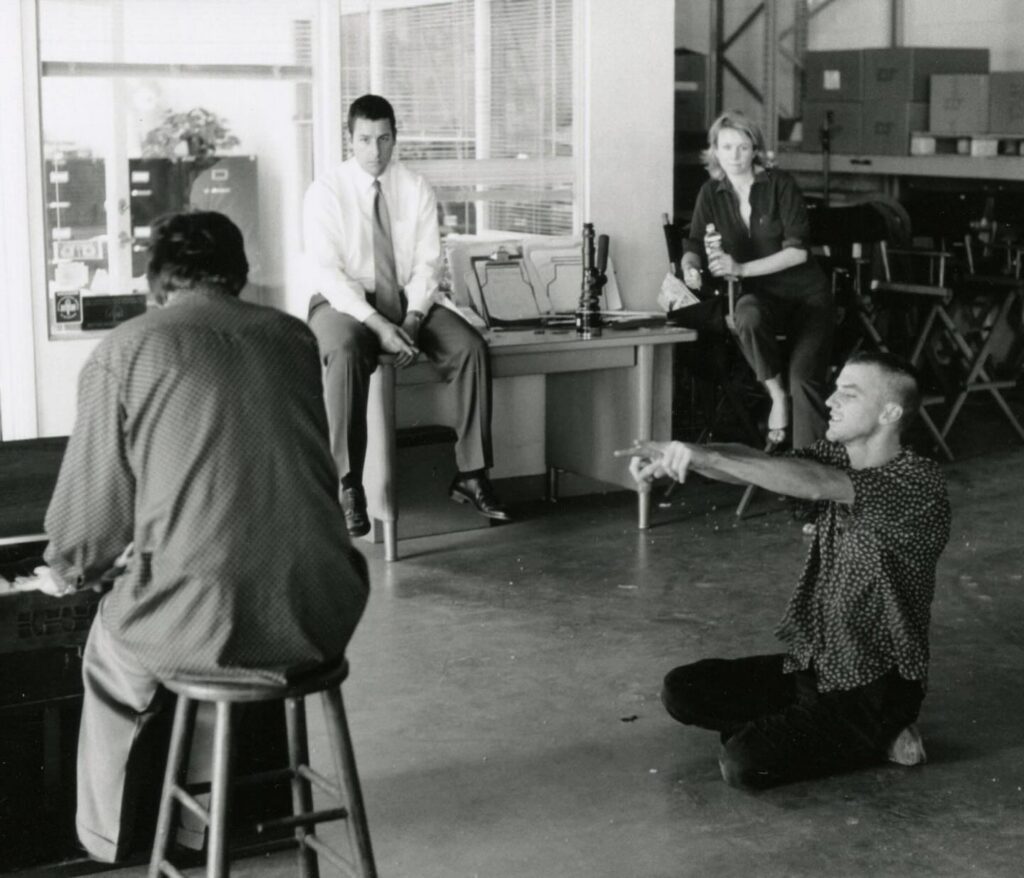
Most film composers work alone in a studio, away from the director, delivering cues based on temp tracks and spotting notes. Not Jon.
When working on Punch-Drunk Love, Brion’s workspace was 20 feet away from Anderson’s, and they were constantly around each other, working together in a way other film composers told Brion was completely unique. While Anderson screened the rushes, Brion responded to the director’s emotional reactions to the footage and music as if he was accompanying a silent film.