Explore the music behind Greta Gerwig’s Oscar-nominated film, Lady Bird. Discover Jon Brion’s unique compositions, the iconic 2002-era songs, sheet music, and how to listen to the full soundtrack.
Listen
Original score by Jon Brion
Brion created a score using an “array of instrumentation that’s not too far removed from what you’d hear from a high school band,” which adds to the film’s nostalgic and authentic atmosphere.
Soundtrack from the motion picture
The licensed tracks were chosen because they represent that moment in time when a radio hit carried a huge amount of cultural weight for a teenager.
Director Greta Gerwig personally wrote letters to artists like Alanis Morissette and Dave Matthews Band to secure the rights for their era-defining songs. Billboard wrote:
The soundtrack plays a big role in showing protagonist Lady Bird’s turbulent adolescent years. The film is set in 2002, and Gerwig wanted it to feel as authentic as possible.
Brion found the usage of the chosen songs brilliant and appreciated what it represented:
“It was at the height of the last phase of the music industry being a large player in the entertainment industry. If something became a hit, it was truly inescapable.”
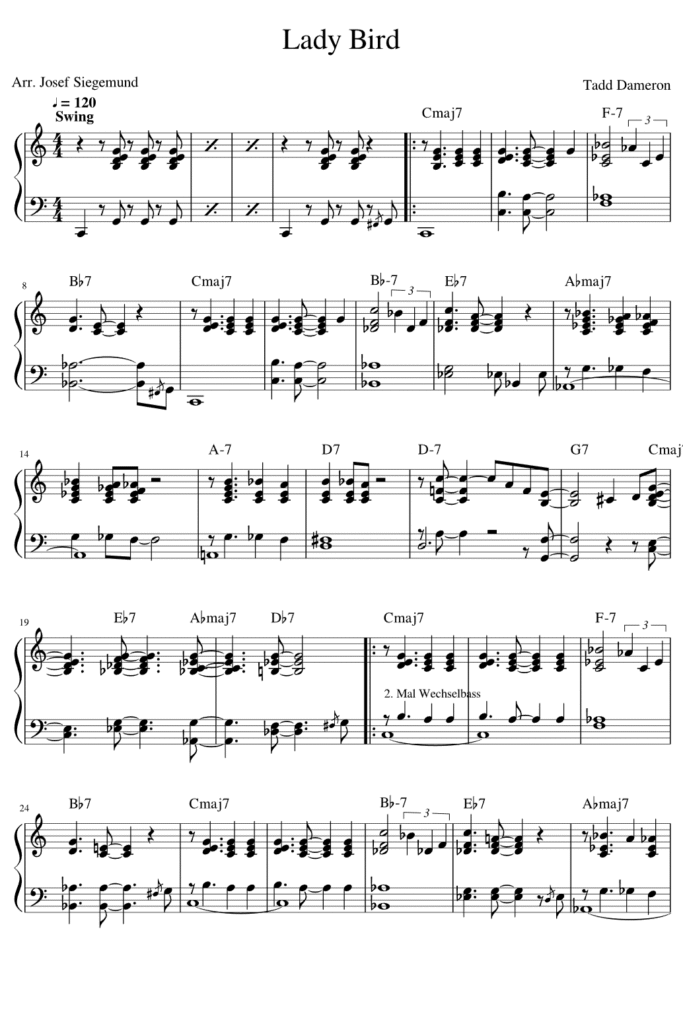
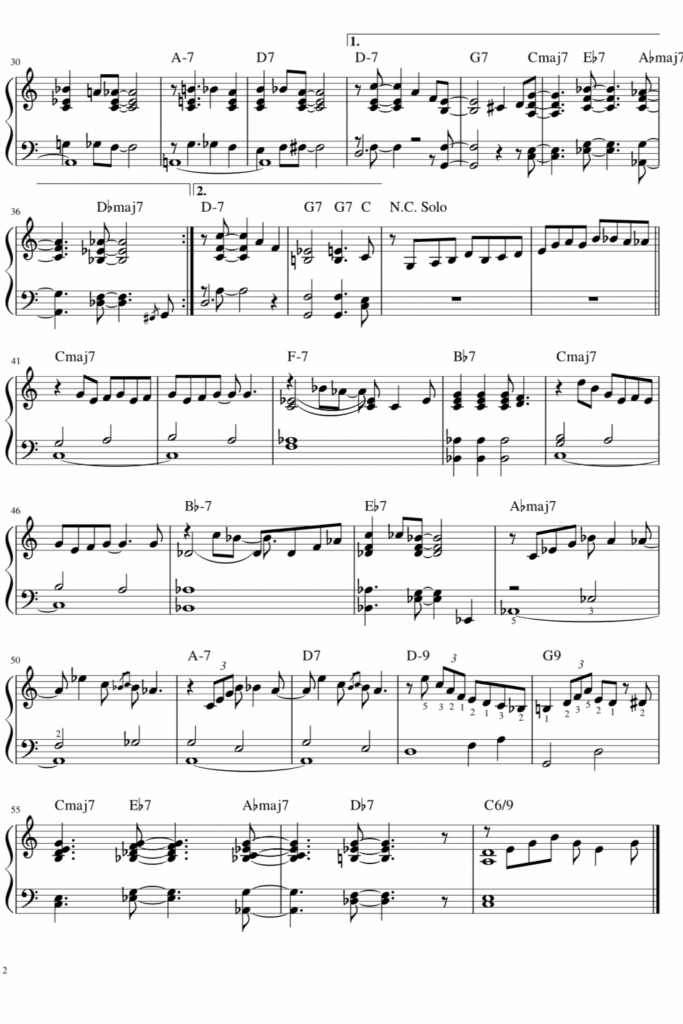
Play it yourself
Sheet music
Backing track
About this soundtrack by Jon Brion
Greta Gerwig on working with Jon Brion:
“Jon Brion is my all-time favorite musician/composer/producer, and working with him was a dream come true. It is an old-fashioned movie score with melody, which is exactly what I had hoped for. I didn’t want the score to feel like background or ambience, I wanted it to be very present and structured, in the foreground of the storytelling.”
Behind the scenes: Featurette
Jon Brion’s process
Brion explains that he prepares by watching the film once or twice a day for up to two weeks. He relies on his subconscious reactions, playing along in real-time to the film on mute.
““When I’m watching I get an overview of things I know I want to avoid, and things I know I want to amplify. When I find a feeling, or a tune, or set of tunes that can be played against the movie any time and feel real and part of its world, then I tend to know I’m on the right track.”
Jon Brion’s scoring philosophy
“Some filmmakers are very nervous if you put a feeling in, because there’s been this cliché over the last 20 years — they don’t want to be accused of leading the audience. Whereas in my opinion, I think of it as a job requirement.”
When working with Gerwig, Brion encouraged her to focus on emotion instead of terminology:
“You need to tell me what you want it to feel like. And then when we’re working on it, we need to check in with each other to make sure it’s doing that job.”
Their sessions often began with hours of general conversation:
“The more we knew about each other from talking for a few hours, we could both make more assumptions on the other’s behalf in a good way.”
Analysis & meaning of the soundtrack
The main theme
Jon Brion wrote the main theme after his first viewing, “just fresh off the feeling of seeing.”
Gerwig called the motif “the tumbling thing,” and took to it because, “it’s like that period of life where you’re tumbling around a bit.” (Interview Magazine)
“Lady Bird Kiss”
Brion once again works his magic here, bringing his delicate touch to the film.